
What is gray iron vs. ductile iron? These are two types of cast iron that show different performance and qualities under varying conditions. Each has its place in certain applications. Understanding the specific loads, impacts, and environment required for your infrastructure project is essential to make the right choice.
What Is Gray Iron?

Gray iron is a form of cast iron where much of the carbon content is present as graphite flakes. The presence of graphite improves castability, machinability, and vibration damping. It also has good compressive performance, making it a practical and most common option for many infrastructure projects in the USA.
While gray iron does have significant strength under compression, the graphite flakes also lead to the concentration of stress points. This leaves the material less flexible and more brittle than ductile iron.
Gray iron is often the more economical choice for infrastructure projects. It can be cast into many different complex shapes for use in a variety of applications. While cost-effective overall, factors such as the thickness, geometry, and required load rating can affect budgets, gray iron can deliver a long service life and reliable performance.
What Is Ductile Iron?
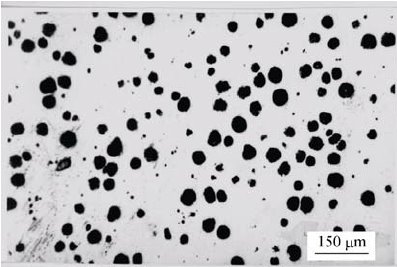
What is ductile iron compared to gray iron? Ductile iron is a type of cast iron that has carbon in the form of graphite nodules. Methods such as magnesium treatment change the microstructure to give ductile iron increased compressive strength and ductility compared to gray iron.
Infrastructure projects such as airports and ports that need higher tensile strength and resistance to impact often call for ductile iron. This makes it an ideal choice for demanding service conditions.
Ductile iron stands up to demanding conditions in projects where wheel loads, vibration, shock, and concentrated stress pose ongoing challenges to infrastructure durability.
Typical Applications for Gray Iron and Ductile Iron
What is gray iron the right fit for? Many infrastructure products can make effective use of this material. Drainage, manhole covers, and various utility castings can all find cost-effective solutions that stand up perfectly well to expected conditions.
Ductile iron has its place in many heavy-duty infrastructure applications. You’ll find it in castings used at airports and ports. The heavy equipment and high traffic mean that improved toughness and reliability are well worth the increased cost.
Choosing between the two options requires carefully evaluating your specific infrastructure needs. Load intensity, impact exposure, maintenance access, and other details all go into the decision.
Gray iron is the standard material used across most municipal applications and consistently meets all required performance standards. Ductile iron, by contrast, is reserved for more specialized, high-demand environments such as airports and ports where additional strength and toughness are required. You can browse infrastructure solutions from Neenah Foundry to find the ideal match for your specific project needs.
FAQ
What Is Gray Iron and How Does It Differ From Ductile Iron?
Gray iron and ductile iron are both common types of cast iron. The former contains graphite flakes, while the latter features graphite nodules, altering their brittleness, flexibility, and other qualities.
Which Material Is Stronger: Gray Iron or Ductile Iron?
Ductile iron shows greater strength in terms of tensile, impact, and fatigue performance. While gray iron has its applications, it doesn’t have the same toughness under demanding loads.
How Does the Lifespan of Gray Iron Compare to Ductile Iron?
In infrastructure applications, both gray and ductile iron typically outlast the surrounding surfaces they’re cast into, such as concrete or asphalt. As a result, neither material requires routine maintenance under normal service conditions, helping reduce lifecycle costs and operational disruptions.
When Should I Choose Ductile Iron Over Gray Iron for Infrastructure Projects?
The right choice ultimately depends on the application. Ductile iron is ideal for heavy traffic and high-impact environments, like airports and ports, while gray iron is more than sufficient for most standard roadway applications.